
Instrumentation
Health Utilization and Monitoring Systems (HUMS) and Test Instrumentation can be accomplished by use of Modular Avionics. By using our modular architecture, a test setup has high flexibility to adapt to the needs of the test as they evolve. As these test avionics may represent flight avionics, consider matching the flight configuration to minimize re-engineering and to get full system test heritage.
What is different:
Designed to be ready for aerospace extremes: Wet, Vibe, Cold, Hot, Vacuum
Designed for production: Cost effective integrated solution
Not vendor locked: Compatible with other systems
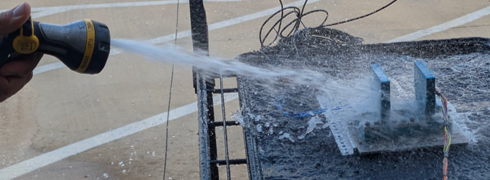
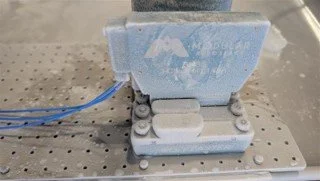
System is running continuously in tests!
Out of the Box:
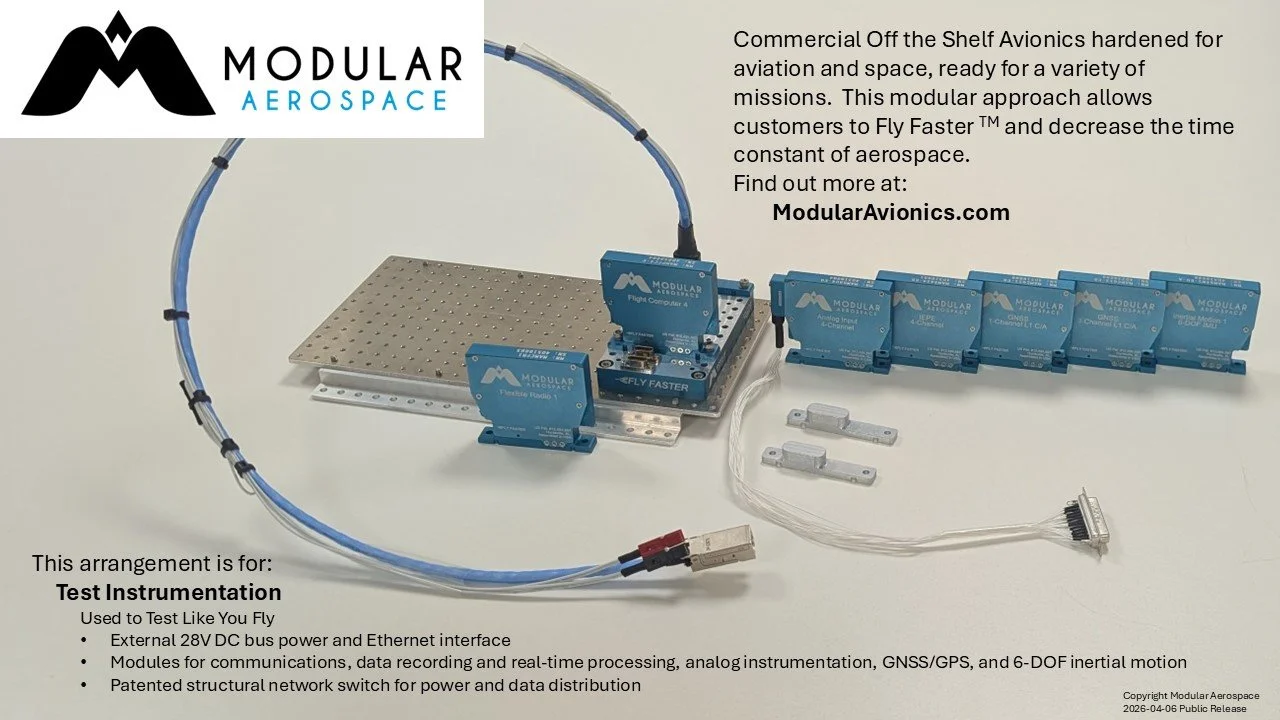
Select sense and output modules to fulfill your parameters list
Select the processing modules to operate and record the data
Select communication modules to provide connectivity needed
Select network modules to connect the systems
Select a chassis or make your own
Build your cables:
Leverage off the shelf with field termination for fastest integration
Contact us for custom or recommendations on a path forward with any peripheral
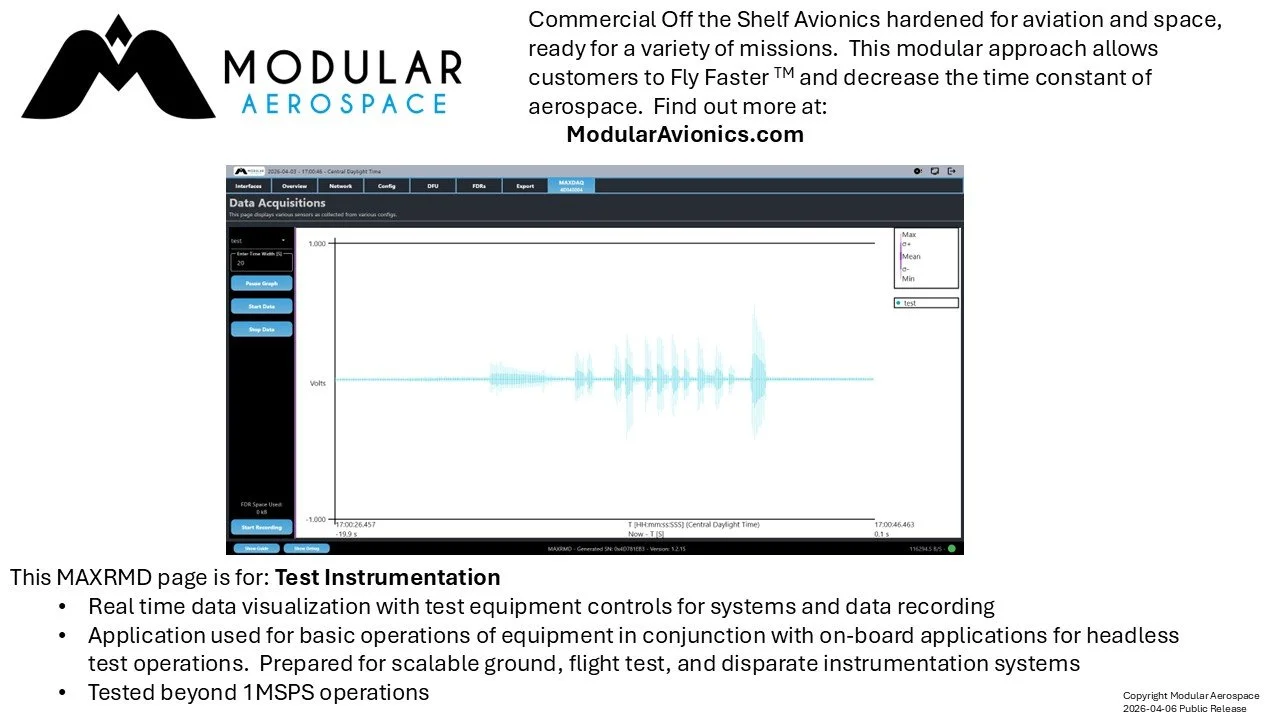
Select or write software for your test. We have an easy button for test instrumentation DAQ.
Assemble and use the setup
Modules that work as easily as it sounds. Configuration is required only when there are external dependencies.
With our hardware we have out of the box software which can support many test setups. Please contact us to learn how these optional software tools work and may be able to support your mission. (See graphic below)
Why Modular:
Easy: Modules support common instrumentation requirements. Using them is easy and high performance.
Patented Structural Network Switch offsets the need to for some cables allowing system to be smaller
Not vendor locked: Integrate with 3rd party and custom systems
Test like you fly
Test Configurations:
HUMS - Integrated with flight avionics: Add modules to the avionics system to incorporate additional monitoring and/or control needed to perform system or sub-system tests.
Standalone: A standalone module is optionally connected to a network and features internal data storage and a RTC battery for intermittent offline operations. The unit can be signaled from control inputs (buttons) and has status signals (LEDs) to inform user of operating state. Once configured, standalone modules just need power and something to monitor and/or control.
Lab Bench Chassis: A basic frame supporting power input, data distribution, data recording, and network slots available for modules used in testing. This is suitable around 500Mbps of total throughput and 100 watts of total instrumentation power.
Field Chassis: A portable test chassis similar to the Lab Bench Chassis with a carry case for easy handling, bulkhead connectors for rugged cable disconnects, internal battery for offline operation, ISM communications mesh for remote management, and GNSS for precision time and location of the portable unit.

Sensors: Thermocouple, RTD, Thermistor, Bridge (load cells, strain, pressure), ratiometric, IEPE, Cameras, Inertial, encoders, etc.
Controls: Valves, small actuators, lights, servos, etc.